

Buyer's guide
Microcement buyer's guide for Australia
How to buy microcement in Australia: compare finishes, approve samples, check substrate and moisture, choose a compatible build-up, plan quantities and freight.
G-05 Buyer guide
Buying microcement well is mostly about decisions made before the order: which finish, over which substrate, with which compatible layers, in what quantity, and applied by whom. This guide sets out those decisions in order, using the current Nikkolor Australia catalogue.
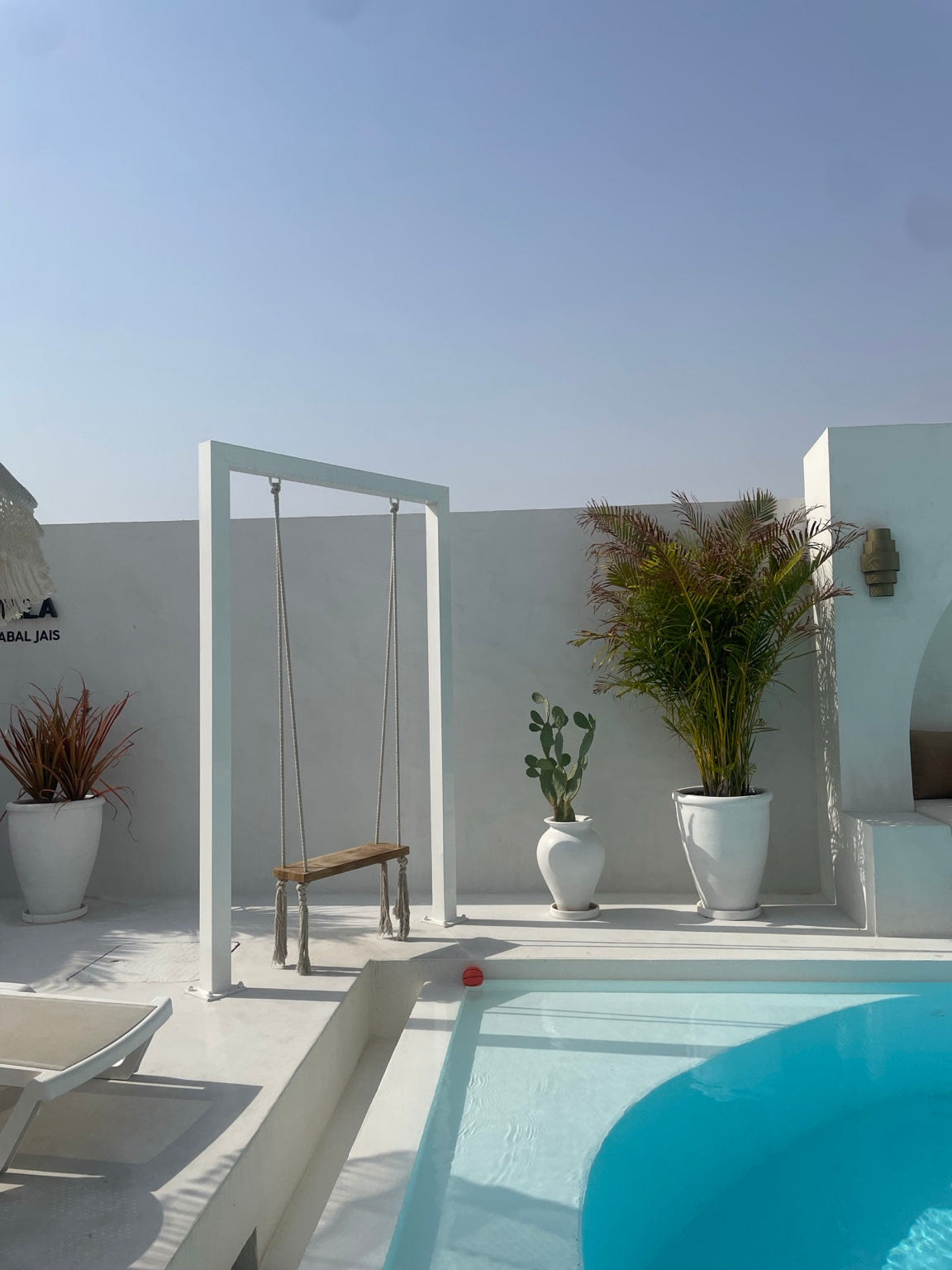
1. Choose the finish character
| Material | Character | Typical use in the catalogue | Pack price |
|---|---|---|---|
| Microcement – Nikkolor Cemento 3D Structured Finish – 20 kg | Fine mineral, smooth and marble-like with subtle movement | Walls, ceilings, joinery, assessed dry interior floors | $308.00 per 20 kg, toner excluded |
| Microcement – Nikkolor MicroCem-FB Fibre-Reinforced – 20 kg | Fibre reinforced, larger aggregate, pitted and organic | Walls, dry interior floors, benchtops, assessed pools | $350.90 per 20 kg, toner excluded |
2. Approve a physical sample in your own light
Screens and printed swatches cannot show texture, sheen or how a tone shifts through the day. Order sample boards of the exact material, colour and protection you intend to use, at $11.00 each for Cemento 3D and MicroCem-FB, and view them in the room where they will be installed, beside the materials that stay. Keep the approved board with the project documents.
3. Assess the substrate before anything else
- The receiving surface must be stable, sound, clean and suitably dry. A thin decorative layer follows any movement or moisture underneath.
- Existing tile can be overlaid only after adhesion, joints and deflection are checked. Timber and framed substrates need a stiffness assessment.
- Residual moisture in screeds and renders, and damp in older masonry, must be resolved first. Do not start the next stage until cure and moisture requirements are met.
- Where the substrate fails these checks, stop and correct it. Extra coats are not a repair.
4. Build a compatible system
- Primer: Primer NK or Primer Beton, chosen from the real substrate. The tiled and reinforced kits use Primer Beton.
- Reinforcement: fibreglass mesh where joints, repairs or the substrate condition call for it. Mesh does not replace movement joints.
- Decorative material and toner: two coats of Cemento 3D or MicroCem-FB, coloured with toner. TA Light uses 2 bottles per 20 kg, TB Medium 3 and TC Dark 4.
- Protection: Decor Finish for walls and dry interior floors; VetroLiquido PRP for benchtops, joinery and pools.
5. Keep the separate work separate
- Microcement is a decorative finish, not a waterproofing membrane. Bathrooms need compliant waterproofing underneath.
- Falls, drainage, movement joints, penetrations and substrate repairs are designed and built independently of the finish.
- Shower floors and other wet floors are not approved by any kit. They need a written project-specific specification.
6. Quantities and delivery
- Each 20 kg material pack covers about 16 m2 over two coats; complete kits are nominally 15 m2. Edges, joinery and absorbent substrates use more, so allow wastage.
- Order enough powder and toner of one batch for the whole surface, because shade is batch specific.
- Supply is from Torquay VIC. Freight is confirmed for your full delivery address and order. Kits containing PRP need manual dangerous-goods freight confirmation.
7. Applicator skill and trade support
Microcement is hand-trowelled, and the finished surface reflects the applicator. Confirm that whoever applies it has relevant experience, or arrange training through the academy. Builders and applicators can request a trade account for ongoing supply.
Prices are AUD catalogue estimates, not quotations. Freight, tools, labour and substrate work are extra. Confirm the current technical data sheets and a physical sample before specifying.